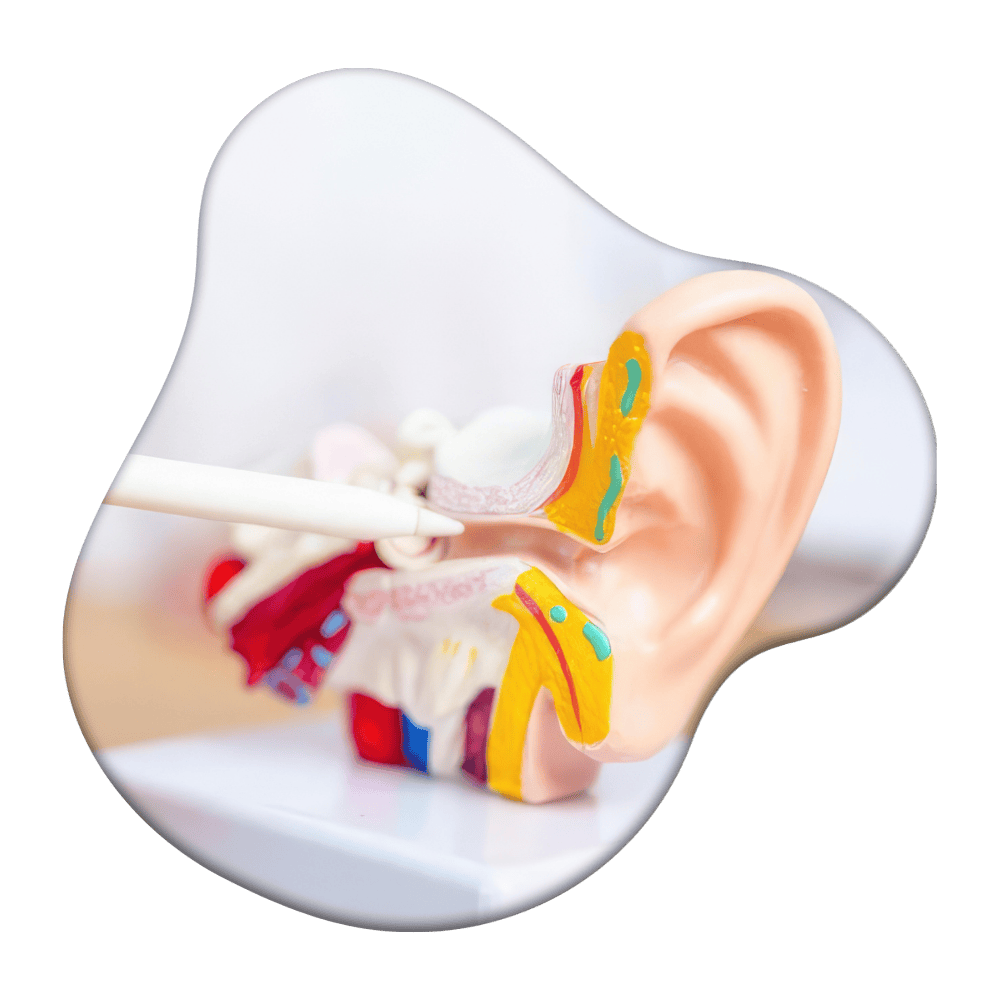
A Practice Dedicated to One of Medicine’s Most Complex Systems
Ohio Ear was built around a simple idea: patients with hearing, balance, and ear conditions deserve a practice designed specifically for them.
Not an ear, nose, and throat practice where the ear is one of many specialties. A practice focused on the ear.

Meet Dr. Jimmy
Dr. Jimmy founded Ohio Ear to bring together specialized training, modern surgical techniques, evidence-based medicine, and a patient experience designed to help people get answers and understand what comes next.
The idea of building a medical practice started long before Dr. Jimmy became a physician. Growing up, he watched his parents build a unique multispecialty veterinary practice during the 1980s. He saw firsthand what it meant to build something different and, more importantly, how a practice could care for its patients, clients, and employees.
That experience stayed with him. Years later, after completing his own medical training and entering practice, Dr. Jimmy began developing a vision for a different approach to ear care. Medicine changes. Technology changes. Our understanding of how to diagnose and treat patients changes. Dr. Jimmy believed the practice itself should continue changing with it.
Ohio Ear is the result of that philosophy.
Why Focus Exclusively on the Ear?
The ear is remarkably complex. It allows us to hear, plays a critical role in balance, contains some of the smallest structures in the human body, and sits directly adjacent to important nerves and the brain.
During his ENT training, Dr. Jimmy found himself particularly drawn to this complexity. He was also drawn to something else: many physicians weren’t.
Ear surgery is one of the less commonly pursued subspecialties within ENT. Balance disorders can also be challenging because there isn’t always a single test or image that provides an immediate diagnosis. Rather than avoiding that complexity, Dr. Jimmy wanted to understand it.
That interest eventually led him to pursue additional fellowship training dedicated specifically to ear surgery. Today, it remains one of the things he enjoys most about his work, particularly when he can help a patient who has spent months or years searching for an explanation for what they’re experiencing.
Specialized Medical Training
Step 1
Medical Education
Dr. Jimmy completed his medical education at Ohio University in Athens, Ohio.
Step 2
ENT Residency
He completed his ear, nose, and throat residency training at Grandview Medical Center in Dayton, Ohio, which at the time was affiliated with Ohio University.
Step 3
Fellowship Training
Following residency, he pursued additional fellowship training at Swedish Neuroscience Institute, with a specific focus on advanced ear surgery including cochlear implant surgery, tympanoplasty and eardrum repair, tympanomastoidectomy and chronic ear disease, skull-base surgery, tumors involving the hearing and balance nerve, surgical approaches involving the ear and brain, and cerebrospinal fluid (CSF) leak repair.
What Makes Ohio Ear Different
Fellowship-Trained Ear Care
Specialization matters. During an ENT residency, physicians train across conditions involving the ears, nose, throat, head, and neck. Fellowship training allows a physician to go deeper. For Dr. Jimmy, that meant spending an additional year focused specifically on ear surgery. That concentrated experience helped shape the philosophy behind Ohio Ear today: when you’re dealing with a complicated ear problem, there is value in seeing someone whose practice is dedicated to that problem.
Modern Surgical Techniques
Dr. Jimmy has a particular interest in endoscopic ear surgery. Traditional ear surgery commonly relies on a microscope. Endoscopic surgery uses a small camera attached to a thin instrument to provide a detailed view inside the ear. For appropriate procedures, the endoscope can provide excellent visualization while allowing the surgeon to work through the ear canal. In some cases, that can eliminate the need for the larger external incision historically used for certain ear procedures.
Getting Patients to the Right Care Faster
Sometimes improving care means improving the process. Dr. Jimmy saw this repeatedly with patients experiencing dizziness. Traditionally, someone struggling with dizziness might see a primary care physician, an ENT, a neurologist, undergo multiple tests, return for another appointment, and only then be referred to a physical therapist. That process can take weeks or months. Dr. Jimmy believes the better approach is to understand the patient’s symptoms, establish the most likely diagnosis, and get them to the appropriate care as efficiently as possible. The goal isn’t to create more appointments. The goal is to get the patient better.
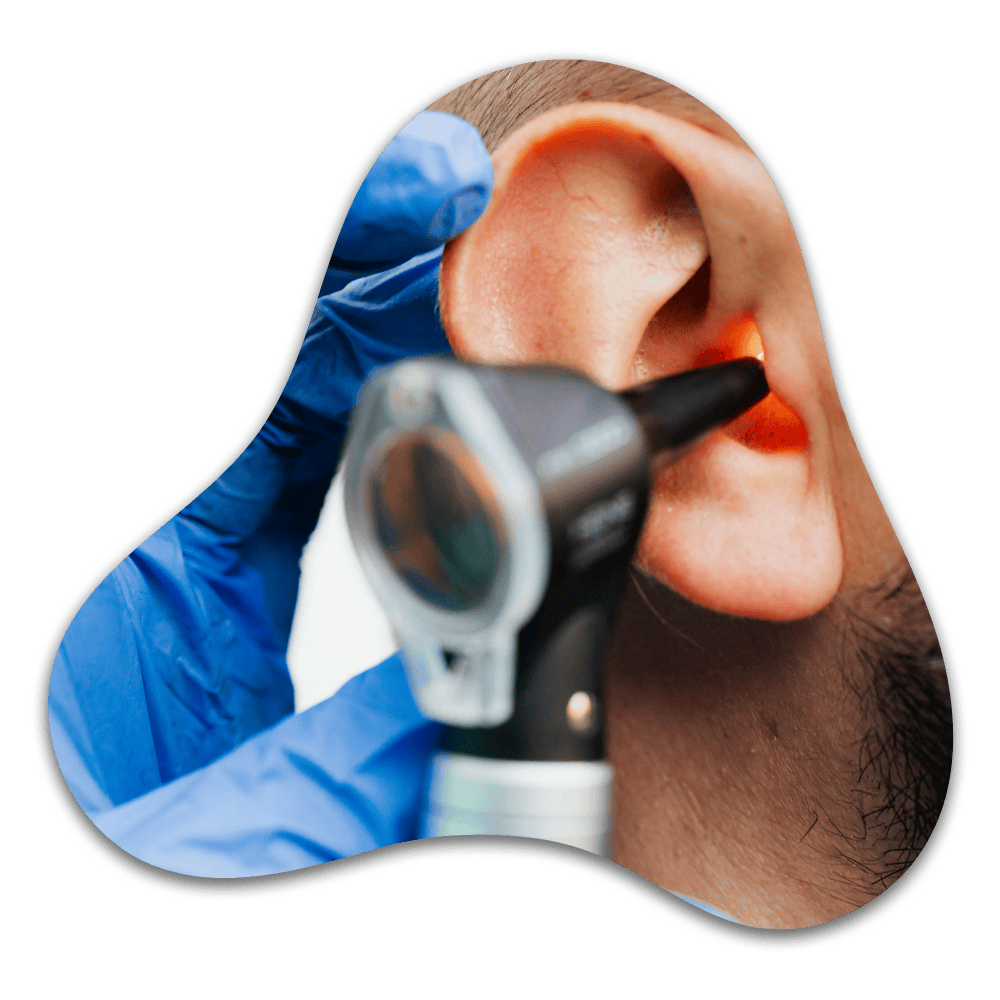
Treating People the Way We’d Want to Be Treated
The philosophy behind patient care at Ohio Ear isn’t complicated. Listen. Explain. Make sure the patient understands what’s happening. And treat people the way you would want to be treated.
Medical appointments can be overwhelming, particularly when you’re discussing hearing loss, chronic dizziness, surgery, or a complex diagnosis. That’s why patient education is such an important part of Ohio Ear.
Dr. Jimmy wants patients to understand their condition, their options, what a procedure involves, what recovery may look like, and what happens next. That means having a real conversation in the office and continuing to build educational resources patients and their families can revisit afterward.
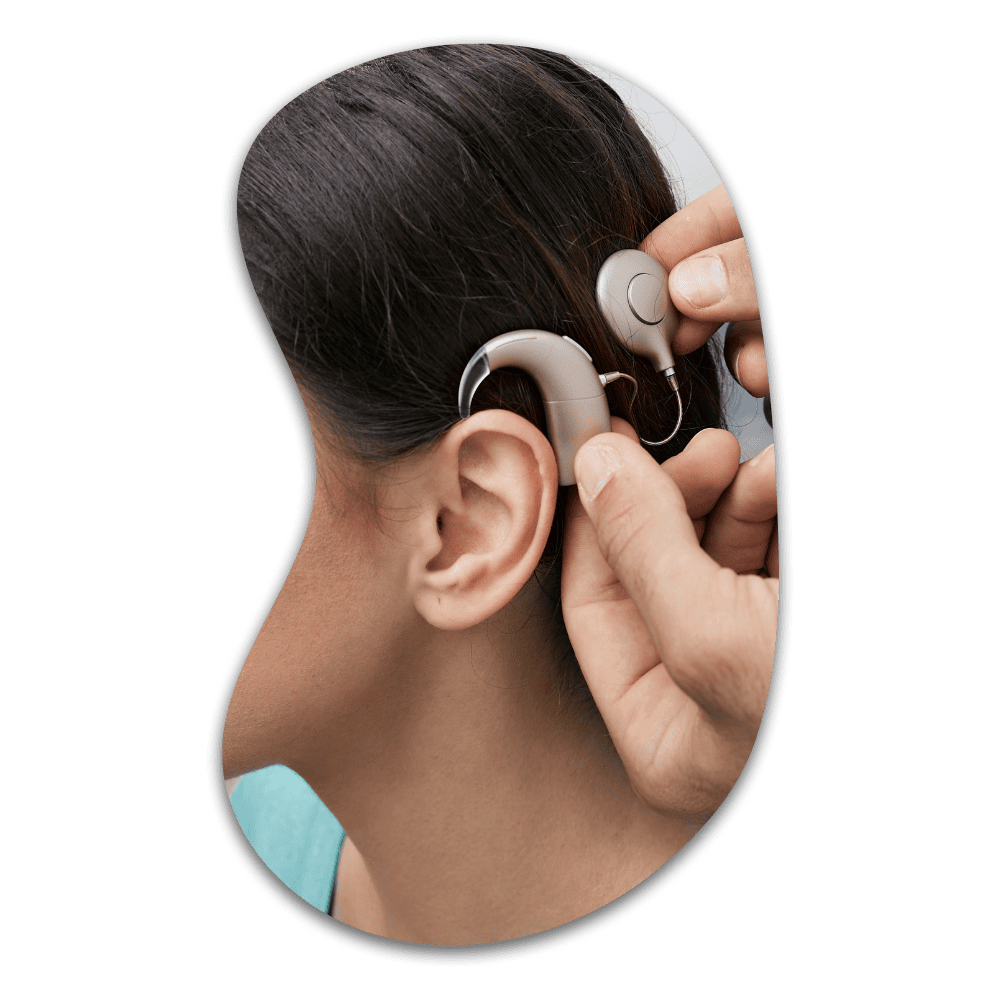
Complex Problems Often Require Collaboration
Specialization doesn’t mean working in isolation. The ear and balance system intersect with other areas of medicine, particularly neurology and neurosurgery.
Dr. Jimmy works with neurologists in the management of certain patients with dizziness and balance disorders. For complex skull-base conditions, he can also work alongside neurosurgeons. Each specialist brings a different skill set. When those areas of expertise overlap, collaboration can provide patients with a more comprehensive approach to complex conditions involving the ear, hearing and balance nerves, skull base, and brain.
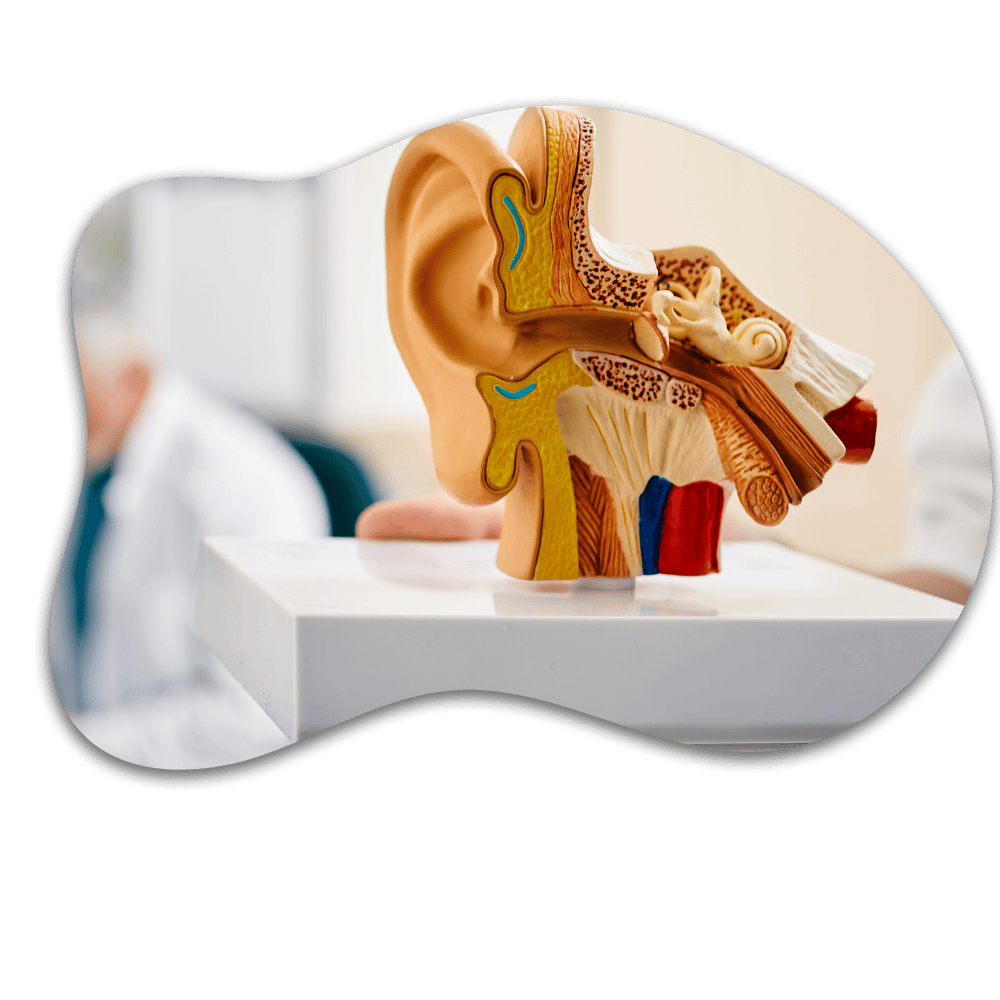
Building a New Kind of Ear Practice in Ohio
Ohio Ear was created with a long-term vision. Dr. Jimmy’s goal is to build a practice capable of providing specialized hearing, balance, and surgical ear care to patients throughout Central, Southwest, and Southeast Ohio.
That includes reaching communities where access to specialized hearing and ear care may be limited. It also means building relationships with ENTs, audiologists, physical therapists, neurologists, neurosurgeons, primary care physicians, and other healthcare professionals throughout the state.
Because specialized care works best when the right people are connected.
Looking for Answers? Start Here.
You don’t need to know the name of your condition before scheduling an appointment. If you’re struggling with hearing loss, dizziness, balance problems, chronic ear disease, or a complex ear condition, Ohio Ear can help you understand what’s happening and determine what comes next. And if you’ve already seen other providers, undergone previous surgery, or simply want another opinion, that’s okay too. Sometimes the next step starts with having someone take another look.