Hearing Care That Goes Beyond the Hearing Aid
Better hearing starts with understanding your hearing loss.
Hearing loss isn’t the same for everyone, and choosing a hearing aid shouldn’t start with choosing a product. At Ohio Ear, hearing care begins with understanding how well you hear, where you’re having difficulty, and whether there may be an underlying medical condition contributing to your hearing loss.
Schedule Your Hearing Evaluation
Fill out the form below and we’ll get back to you shortly to confirm your evaluation.
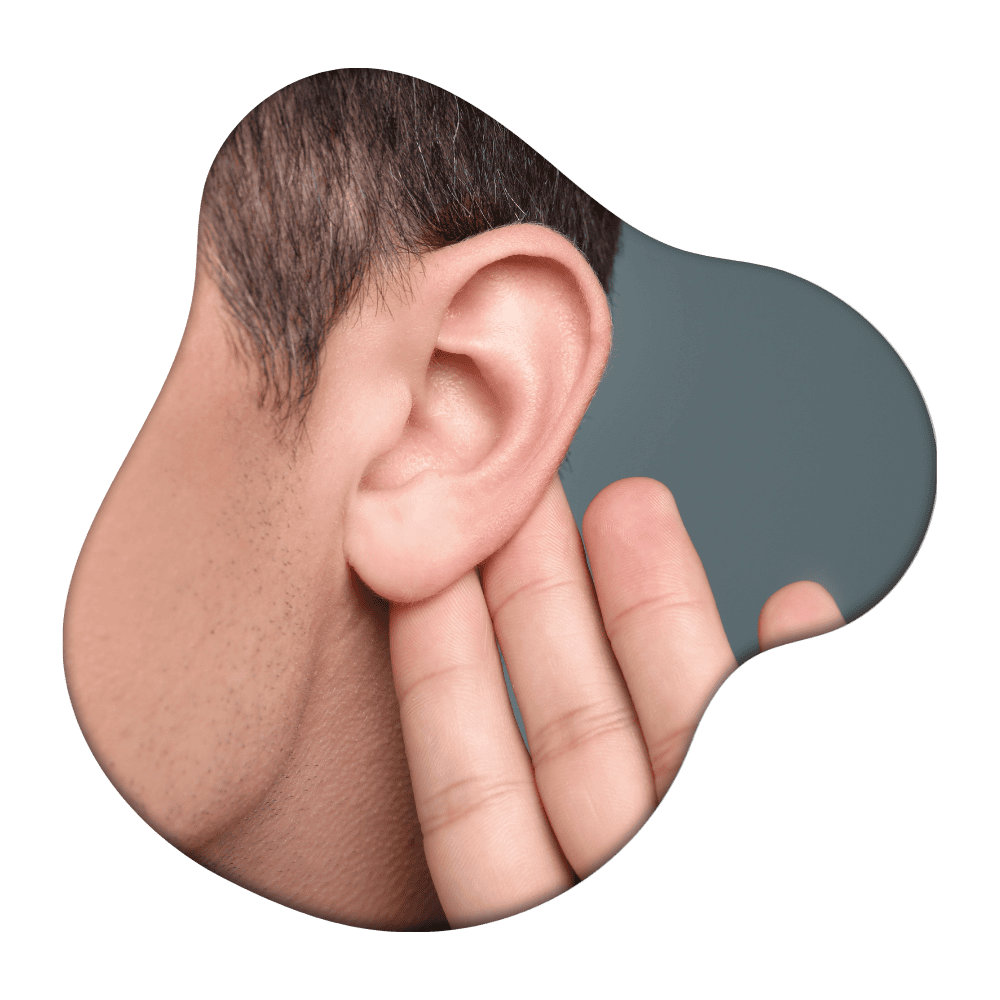
Is It Time to Have Your Hearing Checked?
Hearing loss often develops gradually. You may not notice the change immediately, but the people around you might.
You may benefit from a hearing evaluation if you:
- Frequently ask people to repeat themselves
- Have difficulty understanding conversations
- Struggle to hear in restaurants or other noisy environments
- Turn the television or radio louder than others prefer
- Feel like people are mumbling
- Have difficulty hearing certain voices
- Notice one ear hears differently than the other
- Experience ringing in your ears
- Have family members concerned about your hearing
- Already wear hearing aids but feel they aren’t helping enough
A comprehensive hearing evaluation can help determine not only whether you have hearing loss, but also what type of hearing loss you’re experiencing and what should happen next.
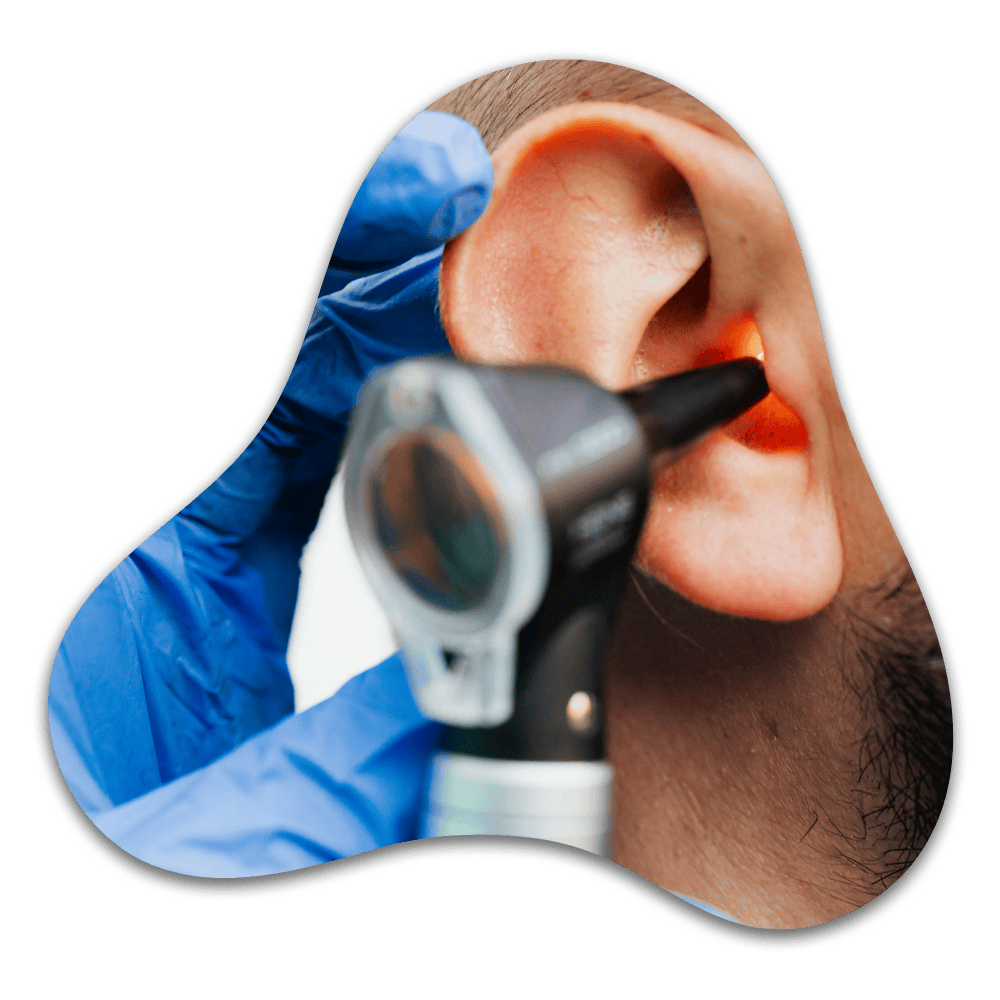
What Happens During a Hearing Evaluation?
A formal hearing evaluation goes beyond simply listening for beeps.
Our audiology team evaluates different aspects of your hearing to develop a more complete understanding of how you hear. This can include testing your ability to hear different tones as well as your ability to understand words and speech.
Understanding how you hear in both quiet and more challenging environments can help determine the appropriate next step.
For many people, that next step may be hearing aids. For others, the results may indicate that a medical evaluation should happen first.
Sometimes Hearing Loss Needs a Medical Evaluation
One of the advantages of receiving hearing care through a practice dedicated to ear health is having audiology and medical expertise working together.
Certain hearing test results can indicate that something more than typical age-related hearing loss may be happening.
Additional medical evaluation may be recommended when:
- Hearing is significantly different between the two ears
- Testing suggests a problem involving the eardrum or hearing bones
- There may be conductive hearing loss
- Word understanding is unusually poor
- Other ear symptoms are occurring alongside hearing loss
Instead of simply fitting a device, we can determine whether your hearing loss requires additional medical or surgical attention.
Finding the Right Hearing Aid
Choosing hearing aids can feel overwhelming.
There are different manufacturers, technology levels, features, styles, and price points. There are also over-the-counter devices that can make understanding your options even more complicated.
We believe the process should start with a different question: What do you actually need?
Your hearing needs, lifestyle, listening environments, priorities, and budget can all influence which hearing aid makes sense for you. Our audiology team can help you understand the differences and make an informed decision rather than leaving you to navigate those options alone.
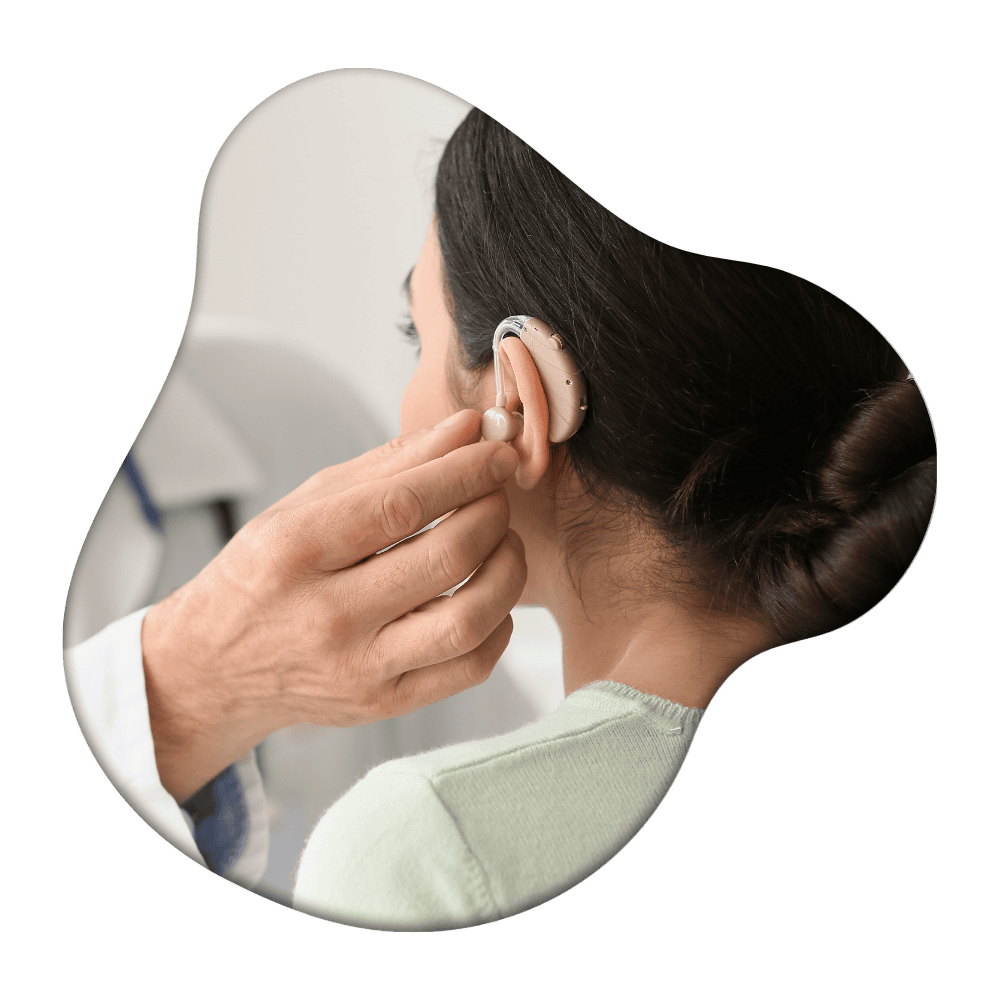
You’re Not Just Buying a Device
A hearing aid is something you’ll use every day, and successful hearing care doesn’t end when you leave the office with your new devices.
Hearing aids may need:
- Programming and adjustments
- Routine maintenance
- Cleaning
- Troubleshooting
- Repairs
- Continued optimization as your hearing needs change
That’s why a significant part of professional hearing care isn’t simply the technology itself. It’s the service and expertise that comes with it.
Our goal is to build an ongoing relationship with our hearing aid patients so their devices continue working appropriately for their needs.
“I’m Not Ready for Hearing Aids.”
We hear it all the time.
For years, hearing aids have carried a stigma that glasses simply don’t. People may worry that hearing aids will make them look older or that wearing them somehow means admitting something about themselves.
But hearing aids have one job: Help you hear.
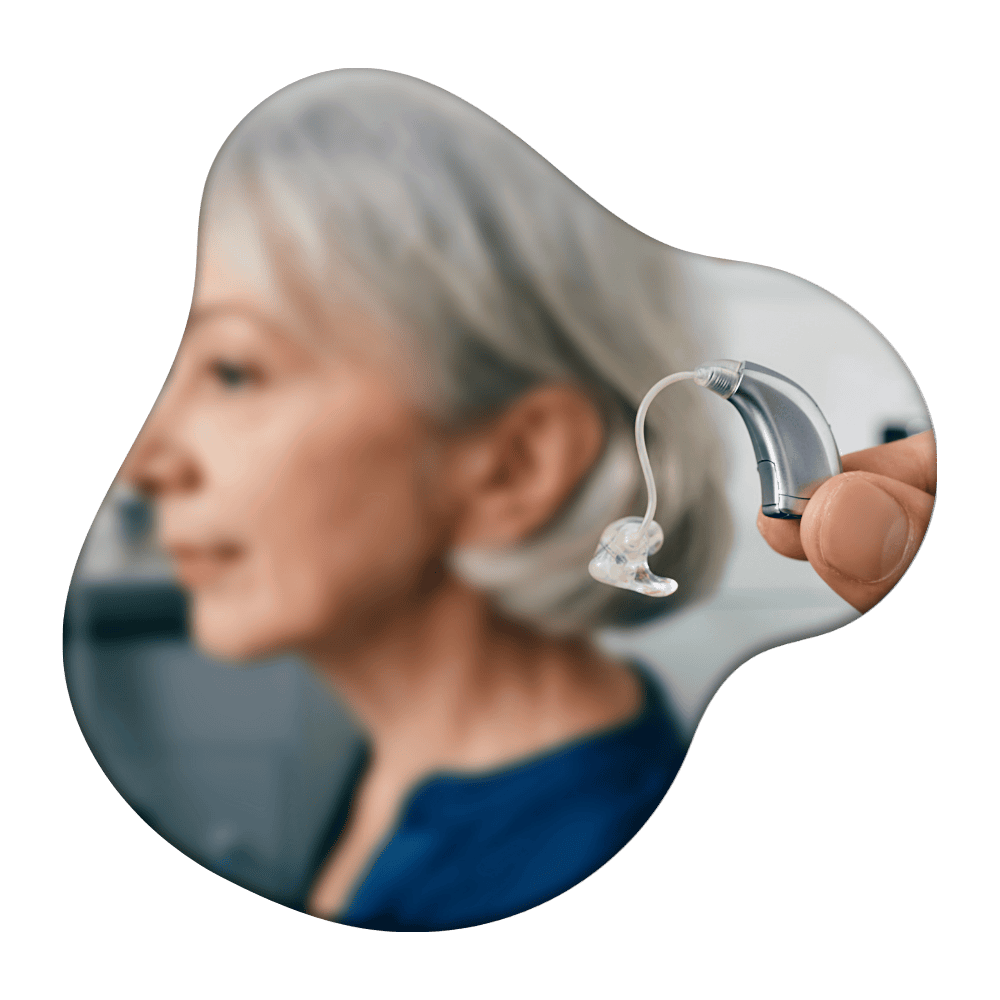
Modern hearing technology has changed significantly, and today’s devices can provide options for a wide range of hearing needs.
Getting your hearing tested doesn’t commit you to buying hearing aids. It simply gives you information about your hearing so you can understand your options.
What About Over-the-Counter Hearing Aids?
Over-the-counter hearing aids have created more options for people experiencing hearing difficulty, but they also make choosing the right solution more complicated.
There can be a significant difference between an inexpensive over-the-counter device and professionally selected and fitted hearing technology.
More importantly, not every hearing problem should automatically be treated with a hearing aid.
A comprehensive hearing evaluation can help determine what type of hearing loss you have and whether there are findings that should be medically evaluated before moving forward with amplification.
If hearing aids are appropriate, our team can help you understand your options and choose technology based on your actual hearing needs.
When Hearing Aids Aren’t Enough
For some people, hearing loss eventually reaches a point where even appropriately fitted hearing aids no longer provide enough benefit.
That doesn’t necessarily mean there are no other options.
A cochlear implant may be appropriate for certain patients who have significant hearing loss and are no longer receiving adequate benefit from hearing aids.
Cochlear implants aren’t only for people who are completely deaf.
If you’re struggling to understand speech even while wearing hearing aids, an evaluation can help determine whether additional options should be considered.
Hearing Care With Medical Expertise Close By
Hearing is connected to an incredibly complex system involving the ear, hearing nerve, balance system, and surrounding structures.
Ohio Ear brings hearing services into a practice dedicated specifically to this system.
When hearing aids are the appropriate solution, our audiology team can help guide your care.
When something requires medical or surgical evaluation, that expertise is available within the same specialized practice.
It’s a more connected approach to hearing care.
Frequently Asked Questions About Hearing Aids
Do I need a referral for a hearing evaluation?
No. Patients do not need a physician referral to schedule an appointment with Ohio Ear.
Does everyone with hearing loss need hearing aids?
No. The appropriate treatment depends on the type and severity of hearing loss and whether an underlying medical condition is contributing to it.
What if one ear is worse than the other?
A significant difference between ears can be a reason for additional medical evaluation. Your hearing evaluation can help determine whether further assessment is appropriate.
How much do hearing aids cost?
Hearing aids are available at different technology and price levels. Cost can vary depending on the devices and services selected. Our team will help you understand your options before making a decision.
Will insurance pay for my hearing aids?
Hearing aid coverage varies. Ohio Ear’s hearing aid services are not currently being provided through third-party insurance plans. Contact our office for the most current information about payment and available financing options.
What if my current hearing aids aren’t helping anymore?
Your hearing and your devices can both be evaluated. Sometimes hearing aids need adjustment or replacement. In other cases, significant hearing loss may warrant evaluation for another solution, such as a cochlear implant.
Take the First Step Toward Better Hearing
You don’t need to know which hearing aid you want. You don’t even need to know whether you need one. Start by understanding your hearing. Our team can evaluate your hearing, explain what your results mean, and help you determine the right next step.