
Dizziness Is a Symptom. Let’s Find Out What’s Causing It.
Specialized Care for Dizziness & Balance Problems. Dizziness can be frustrating, disruptive, and difficult to explain. It can be even more frustrating when you’ve seen multiple providers, completed rounds of testing, and still don’t have an answer.
At Ohio Ear, we take a focused approach to dizziness and balance disorders. Rather than automatically starting with more testing, we start by listening, asking the right questions, and working to understand exactly what you’re experiencing.
Because before we can determine the right treatment, we need the right diagnosis.
Schedule Your Dizziness & Balance Evaluation
Fill out the form below and we’ll get back to you shortly to confirm your evaluation.

I’ve Been Dizzy for Years and No One Can Tell Me Why.
It’s a story we hear far too often. A patient experiences dizziness. They see their primary care physician. Then an ENT. Maybe a neurologist. They undergo testing. The results come back normal, but the dizziness is still there. The problem isn’t always that another test needs to be ordered. Sometimes, no one has taken the time to fully understand the type of dizziness the patient is experiencing.
There are many different forms and causes of dizziness. Identifying the differences starts with a detailed history and asking specific questions about what you’re feeling, when it happens, and what triggers it. Our goal is to get you closer to an answer, not simply send you through another round of testing.
Not All Dizziness Is the Same
Dizzy can mean very different things to different people. You might feel like the room is spinning, you are spinning or moving, you’re unsteady on your feet, you’re being pulled or leaning in one direction, you’re lightheaded, your surroundings move when you move your head, you’re off balance when walking, or certain movements or positions trigger symptoms. Those differences matter.
Understanding exactly what you mean when you say you’re dizzy can provide important information about what may be causing your symptoms and what should happen next.
Diagnosis Comes Before Treatment
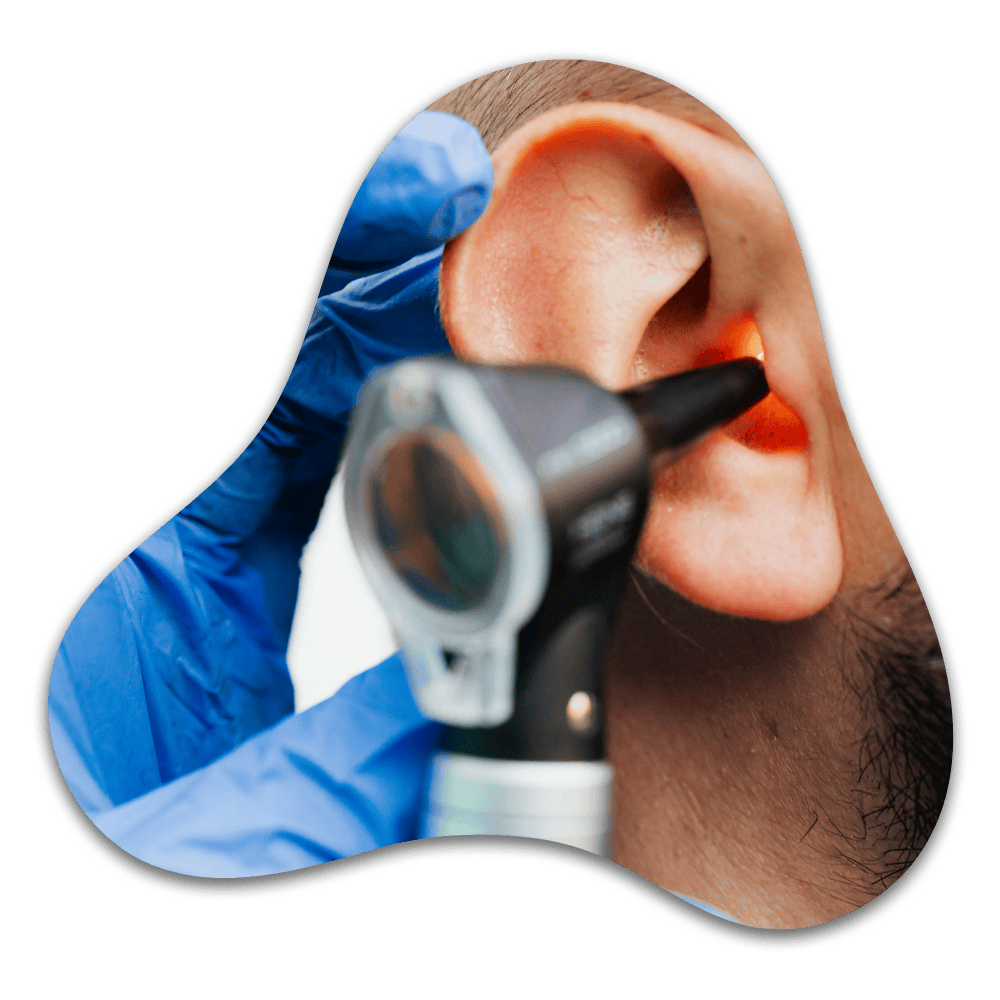
At Ohio Ear, the evaluation starts with your story. When did the dizziness begin? How would you describe it? How long does an episode last? What were you doing when it started? Does moving your head make it worse? Do certain positions trigger it? Are there hearing or other ear symptoms occurring at the same time? These details can be extremely important.
Dr. Jimmy’s approach to dizziness emphasizes the patient’s history and focused examination before automatically relying on extensive testing. The goal is to understand the problem first and then determine what additional care, testing, or treatment is actually necessary.
More Testing Isn’t Always the First Answer
Historically, dizziness patients may be sent through a long sequence of appointments and tests before treatment begins. That can delay care and create additional confusion. Ohio Ear takes a more streamlined approach. Testing certainly has a role in balance care, but it doesn’t necessarily need to be the first step for every patient. When your history and examination provide enough information to determine the appropriate next step, our priority is getting you moving toward treatment. When additional testing is necessary to clarify the diagnosis, it can then be used with a specific purpose.
Physical Therapy Can Be an Important Part of Balance Care
One of the most important resources for many patients experiencing dizziness is a physical therapist experienced in balance disorders. For the right condition, physical therapy may play a central role in helping you improve. Rather than waiting until the end of a long series of appointments before considering therapy, Ohio Ear works to identify when physical therapy is appropriate and connect patients with therapists familiar with their particular condition. That means a more direct path from Symptoms to Diagnosis to Appropriate Treatment, instead of Symptoms to Appointment to Testing to Another Appointment to More Testing to Another Referral. Our goal is to eliminate unnecessary steps whenever possible.
Why Specialized Ear Expertise Matters
Ear and Balance Are Closely Connected
Your inner ear isn’t responsible only for hearing. It also contains an important part of your balance system. That connection is one reason specialized ear expertise can be so valuable when evaluating dizziness and balance disorders. Ohio Ear is dedicated specifically to conditions involving hearing, balance, and the ear, allowing us to approach dizziness with an understanding of how these systems work together.
Working With Neurology When Needed
Not every balance problem comes exclusively from the ear. That’s why collaboration matters. Dr. Jimmy works with neurologists in the management of dizziness and balance patients when their condition requires expertise from both specialties. That collaboration can include coordinating treatment and medication management when appropriate. Instead of treating every dizzy patient exactly the same way, the goal is to determine which expertise and treatment your specific condition requires.
What to Expect at Your Appointment
Step 1
Understanding Your Symptoms
Your evaluation will focus heavily on understanding what you’ve been experiencing. We’ll discuss your symptoms, review relevant previous testing or medical information, and perform an appropriate examination. If you’ve already had testing completed elsewhere, bring those results with you when possible.
Step 2
Determining the Next Step
From there, we’ll determine the appropriate next step. That may include a diagnosis and treatment plan, referral to an experienced physical therapist, additional balance testing when necessary, coordination with neurology or another specialist, or follow-up care through Ohio Ear.
Step 3
Leaving With Clarity
The goal is for you to leave with a better understanding of what’s happening and what comes next.
Frequently Asked Questions About Dizziness & Balance
Do I need a referral to see Ohio Ear for dizziness?
No. You do not need a physician referral to schedule an appointment with Ohio Ear.
Will I need balance testing?
Not necessarily. Dr. Jimmy’s approach is to use testing when it is needed rather than automatically making it the first step for every patient.
I’ve already had tests and everything came back normal. Can you still help?
A previous normal test doesn’t necessarily explain why you’re experiencing dizziness. Your history and the specific characteristics of your symptoms can provide important information during the diagnostic process.
Why would I see an ear specialist for dizziness?
The inner ear contains part of your body’s balance system. Problems involving this system can cause dizziness and balance symptoms.
Will I need physical therapy?
It depends on your diagnosis. For some balance conditions, an experienced physical therapist can be an important part of treatment.
What if my dizziness is neurological?
When necessary, Ohio Ear can work collaboratively with neurologists to help manage patients whose symptoms require expertise from multiple specialties.
Should I bring my previous testing?
Yes. If you’ve already undergone hearing, balance, imaging, or other relevant testing, having those records available can help us understand what has already been evaluated.
You Don’t Have to Keep Living Without an Answer
If you’ve been told your tests are normal but you still feel dizzy, or you’ve spent months or years moving from one provider to another, another round of testing isn’t necessarily where the conversation needs to start. Start with a focused evaluation. Tell us what you’re experiencing. Let us ask the right questions. Then we can determine the most appropriate path forward.