
Specialized Care for Complex Ear Conditions
Advanced Ear Care From a Fellowship-Trained Ear Surgeon.
Hearing is only one part of what happens inside the ear. The ear includes structures responsible for hearing and balance and sits directly adjacent to important nerves and the brain. A problem can involve the eardrum, the tiny bones responsible for transmitting sound, chronic infection, the ear canal, the inner ear, or the hearing and balance nerve. That’s why Ohio Ear was built differently from a general ENT practice. Our focus is the ear.
Schedule an Ear Evaluation
Fill out the form below and we’ll get back to you shortly to confirm your evaluation.
Conditions We Treat
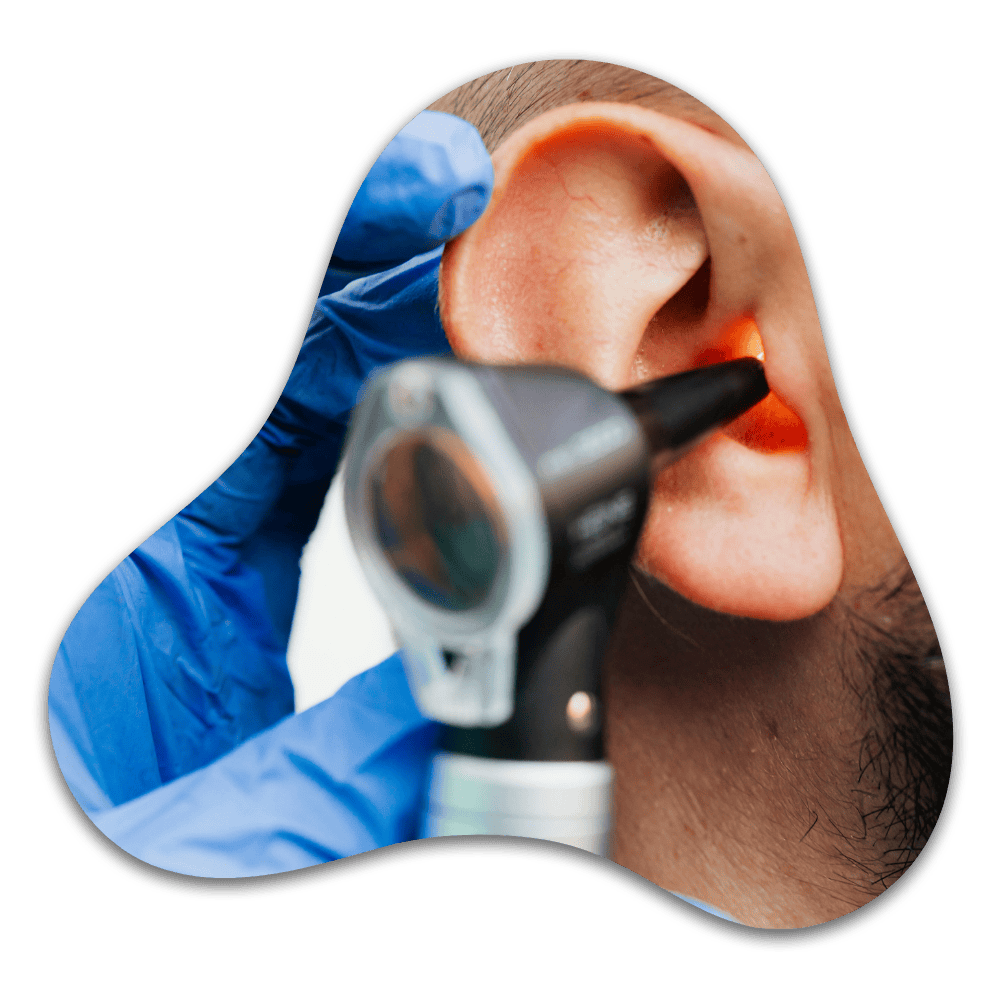
Eardrum Problems
A damaged or perforated eardrum can affect hearing and contribute to recurring ear problems. Depending on the condition, surgical repair of the eardrum may be recommended.

Chronic Ear Infections
Some chronic infections extend beyond the eardrum and involve other structures within the ear. When chronic disease cannot be adequately managed through other treatments, surgery may be necessary to remove infection and repair damaged structures.
Hearing Bone Problems
Three tiny bones within the middle ear help transmit sound. When one of these bones becomes fixed or otherwise isn’t functioning properly, it can result in conductive hearing loss. For appropriate patients, surgical treatment may help restore the movement necessary for sound transmission.
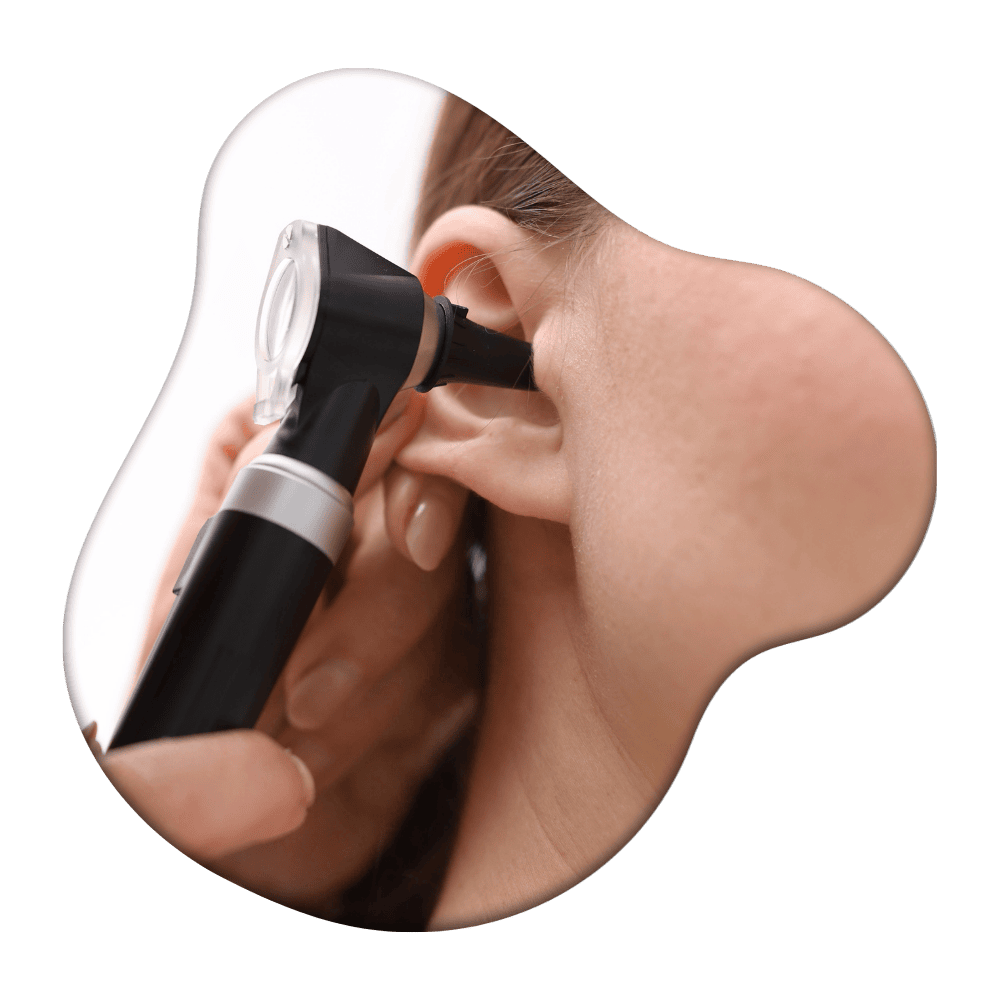
Ear Canal Problems
The ear canal can sometimes become narrowed. When appropriate, surgery can be performed to change the size of the ear canal and improve the condition.
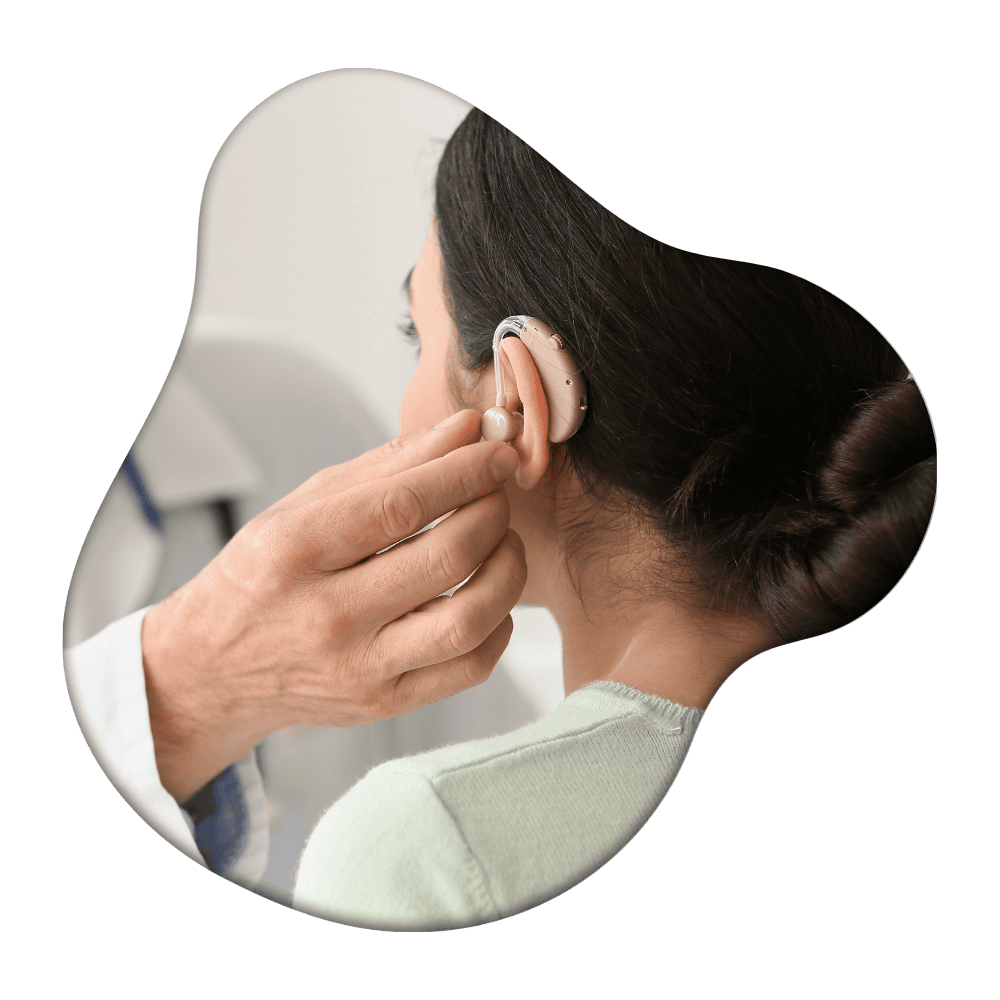
Severe Hearing Loss
When appropriately fitted hearing aids no longer provide enough benefit, some patients may be candidates for a cochlear implant. Ohio Ear provides cochlear implant evaluation and surgery as part of our specialized hearing services.

Tumors of the Hearing & Balance Nerve
Some tumors can develop along the nerves responsible for hearing and balance. Finding a tumor does not automatically mean surgery is necessary. Dr. Jimmy explained that many of these patients can be observed, with surgery considered when a tumor becomes larger or begins causing significant problems. When surgery is appropriate, ear and skull-base expertise may be combined with neurosurgical care.

CSF Leaks
The ear and brain are separated by important anatomical structures. In some circumstances, a defect can allow cerebrospinal fluid, or CSF, to leave the brain cavity and enter the ear. Dr. Jimmy’s fellowship training included identifying and surgically repairing these defects.
Tinnitus
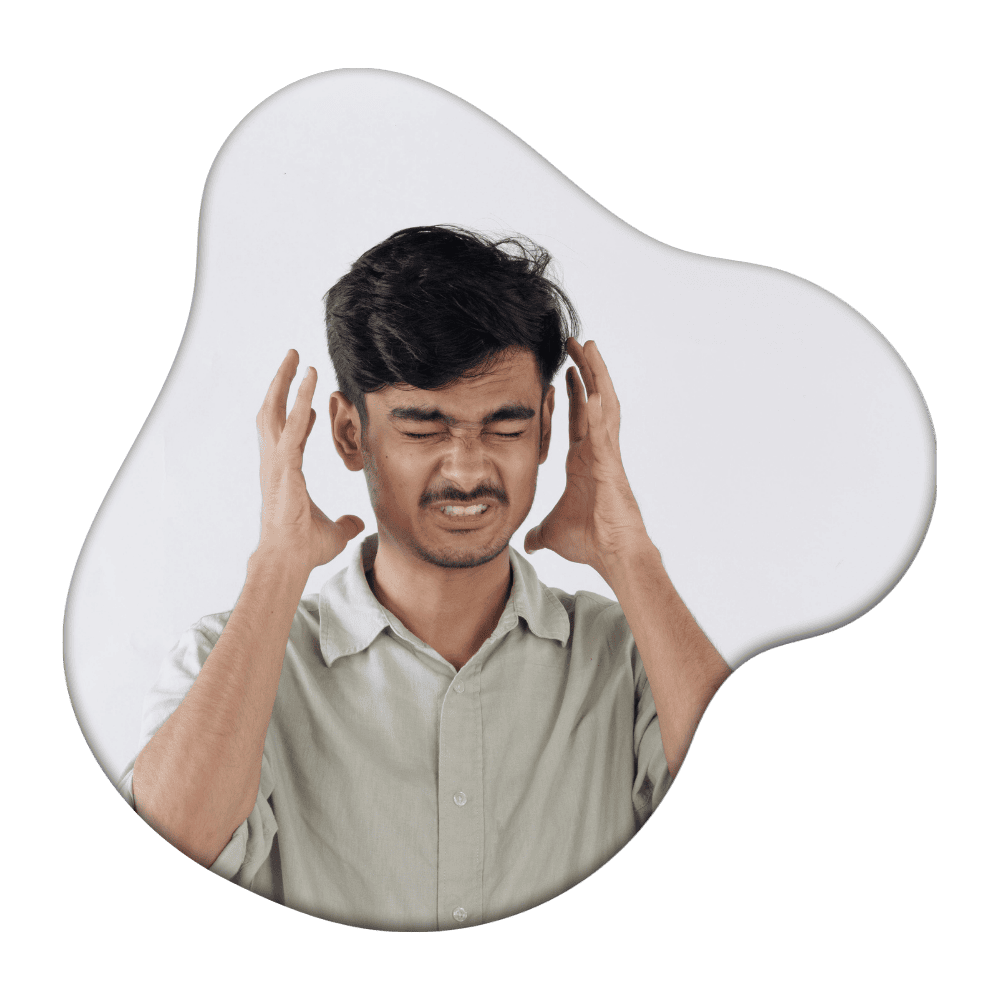
Tinnitus, commonly described as ringing in the ears, is extremely common. For some people, it’s barely noticeable. For others, it can significantly interfere with everyday life. Evaluation can help patients better understand their symptoms and whether another hearing or ear condition may be contributing to them.
Specialized Ear Surgery
When surgery is the appropriate treatment, Ohio Ear provides a range of procedures specifically focused on the ear and surrounding structures.
Endoscopic Ear Surgery
Traditional ear surgery has often relied on a microscope. Dr. Jimmy also uses an endoscope, a small camera attached to a thin instrument, when appropriate. The endoscope provides a high-quality view of the surgical field and can allow certain procedures to be performed through the ear canal. For some surgeries, this means an external incision behind the ear may not be necessary.
Tympanoplasty
A tympanoplasty is a procedure used to repair the eardrum. The specific approach depends on the patient’s condition and the extent of the damage.
Tympanomastoidectomy
A tympanomastoidectomy combines repair of the eardrum with removal of chronic infection or disease within the ear. It may be recommended for patients dealing with more extensive chronic ear disease.
Stapedectomy
The stapes is the third of the small bones involved in hearing. When this bone becomes fixed and can no longer move appropriately, hearing can be affected. A stapedectomy involves replacing the affected structure with a prosthesis to help restore sound transmission.
Cochlear Implant Surgery
Cochlear implantation may be appropriate for patients with significant hearing loss who are no longer receiving enough benefit from hearing aids. The procedure is generally performed on an outpatient basis using a small incision behind the ear.
Ear Canal Surgery
Surgery may be used to alter the size of an ear canal that has become narrowed. Your evaluation can help determine the cause of the narrowing and whether surgical treatment is appropriate.
Skull-Base Surgery
Some of the most complex ear conditions occur where the ear and skull base meet. Dr. Jimmy’s fellowship training included procedures involving tumors of the hearing and balance nerve and surgical approaches that provide access to structures near the brain. These procedures can involve collaboration between an ear surgeon and a neurosurgeon, bringing together two different areas of specialized expertise.
CSF Leak Repair
When a defect develops between the brain cavity and ear, surgical treatment may be required to repair that separation. These cases can also require collaboration with neurosurgery depending on the location and complexity of the condition.
Ear Surgery Doesn’t Always Mean a Large Incision
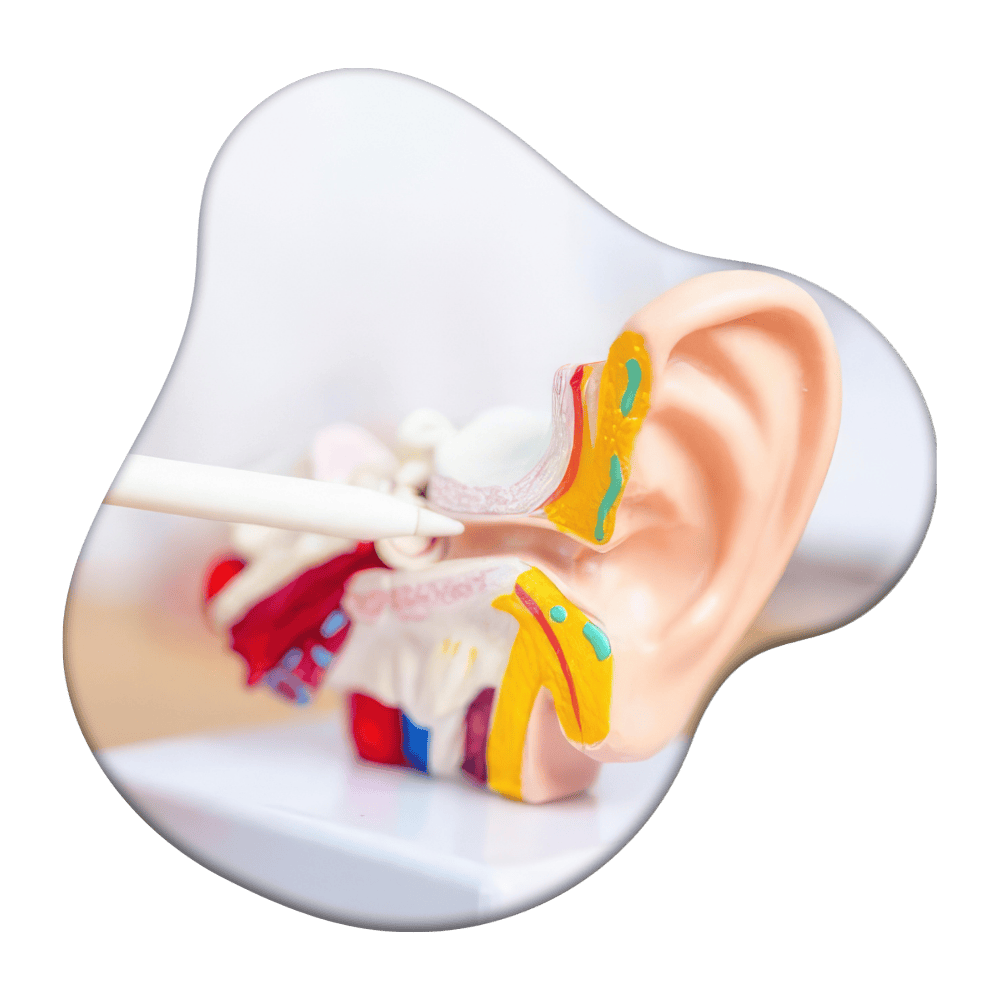
One of the advantages of advances in ear surgery is improved visualization. With endoscopic techniques, a camera can provide a detailed view of structures within the ear. For appropriate procedures, Dr. Jimmy may be able to work through the ear canal rather than making the larger incision behind the ear traditionally associated with some microscopic ear surgeries. The appropriate technique will always depend on your specific condition and procedure.
Surgery Isn’t Always the Answer
Specialized surgical expertise also means knowing when not to operate. Not every ear condition requires surgery. For example, some tumors involving the hearing and balance nerve can be observed rather than immediately removed. Cochlear implantation isn’t appropriate for someone who continues to receive adequate benefit from hearing aids. The purpose of your evaluation is not to find a reason to perform surgery. It’s to understand the problem and determine which treatment makes the most sense for you.
Looking for a Second Opinion?
Complex ear conditions don’t always have a simple answer. Ohio Ear welcomes patients who have undergone previous ear procedures, continue to experience chronic problems, have been presented with a surgical recommendation, or simply want another expert opinion before deciding what to do next.
Dr. Jimmy’s goal is to help you understand:
- What is happening
- Why it’s happening
- Whether treatment is necessary
- What your options are
- What surgery would involve
- What you can expect afterward
Sometimes knowing your options is just as important as the treatment itself.
Collaboration for Complex Conditions
Some conditions extend beyond a single medical specialty. Dr. Jimmy works collaboratively with neurologists in the medical management of certain hearing and balance conditions. For complex skull-base conditions, he can also work alongside neurosurgeons. Ear surgeons and neurosurgeons bring different skill sets to these procedures. Combining that expertise can provide the specialized approach needed for challenging conditions involving the ear, nerves, skull base, and brain.
What to Expect From Your Surgical Consultation
Your first appointment is about understanding your condition, not rushing you toward a procedure. Dr. Jimmy will review your symptoms, medical history, previous treatment, and relevant testing. If surgery is being considered, he’ll explain the anatomy involved, walk you through the procedure, discuss your options, and help you understand what recovery and postoperative care may look like. We believe patients should have the information they need to make an informed decision about their care.
Frequently Asked Questions About Ear Surgery
Do I need a referral to see an ear surgeon?
No. Ohio Ear does not require a physician referral to schedule an appointment, although insurance requirements may vary.
Do all chronic ear problems require surgery?
No. Treatment depends on the specific condition. Your evaluation will help determine whether medical management, observation, surgery, or another treatment is appropriate.
Can I come to Ohio Ear for a second opinion?
Yes. Patients with previous ear surgeries or complex ear conditions are an important part of Ohio Ear’s specialized practice.
Will my ear surgery require an incision behind my ear?
Not necessarily. Some procedures may be performed through the ear canal using endoscopic techniques. The appropriate approach depends on the procedure and your individual condition.
Does finding a tumor mean I need surgery?
Not always. Dr. Jimmy explained that many patients with tumors involving the hearing and balance nerve can initially be observed. Surgery may be considered based on factors such as the tumor’s size or the problems it is causing.
Does Ohio Ear work with neurosurgeons?
Yes. Certain skull-base procedures and conditions involving structures between the ear and brain can require collaboration between an ear surgeon and neurosurgeon.
Get the Expertise Your Ear Condition Deserves
You don’t need to determine which procedure you need before making an appointment. That’s our job. If you’ve been diagnosed with a complex ear condition, have undergone previous ear surgery, are considering surgery, or simply haven’t found an answer to an ongoing ear problem, Ohio Ear can help you determine what comes next.