
Specialized Ear Surgery
Fellowship-Trained Expertise Focused on the Ear.
Ear surgery requires working with some of the smallest and most complex structures in the body.
At Ohio Ear, advanced ear surgery isn’t one part of a broader surgical practice. It’s a primary focus.
Dr. Jimmy completed additional fellowship training dedicated specifically to ear surgery, building on his ENT residency with concentrated experience in procedures involving the eardrum, hearing bones, chronic ear disease, cochlear implants, hearing and balance nerves, skull base, and the structures separating the ear from the brain.
That specialized experience is combined with modern surgical techniques and a simple philosophy: Recommend surgery when it can meaningfully help the patient, and don’t operate when it isn’t necessary.
Schedule a Surgical Consultation
Fill out the form below and we’ll get back to you shortly to confirm your evaluation.
Why Specialized Ear Surgery Matters
Every ENT physician receives training in ear care. But fellowship training allows a surgeon to take that experience further.
After completing his ENT residency, Dr. Jimmy spent an additional year focused specifically on ear surgery.
That concentration matters because surgical proficiency is built through experience and repetition. Rather than dividing that additional training among procedures involving the ears, nose, throat, head, and neck, his fellowship was specifically dedicated to advanced conditions and procedures involving the ear.
Ohio Ear was built to bring that focused expertise to patients throughout Ohio.
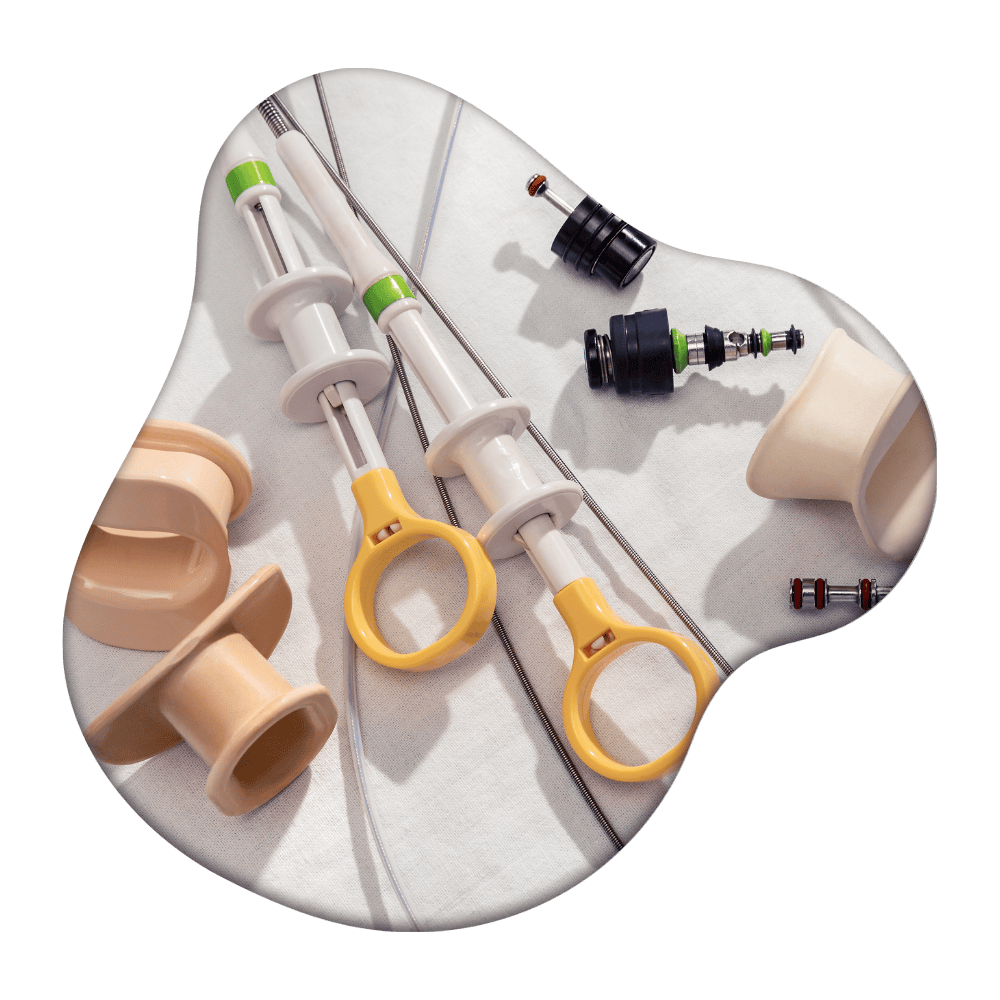
Modern Approaches to Ear Surgery
Endoscopic Ear Surgery
One of Dr. Jimmy’s particular areas of interest is endoscopic ear surgery.
Traditionally, many ear procedures have been performed using a microscope. While microscopic surgery remains an important surgical technique, advances in endoscopic technology provide another approach for appropriate procedures.
An endoscope uses a small camera attached to a thin instrument to provide a detailed view inside the ear. This allows the surgeon to visualize the surgical field on a high-quality monitor and, for certain procedures, operate through the ear canal.
In some cases, that means surgery can be performed without the larger incision behind the ear historically associated with certain ear procedures.
The appropriate surgical approach depends on your specific condition, anatomy, and procedure.
Ear Procedures We Perform
Tympanoplasty
Repairing a Damaged Eardrum
Tympanoplasty is a surgical procedure used to repair the eardrum. Problems involving the eardrum can contribute to hearing loss and recurring ear problems. If surgery is appropriate, Dr. Jimmy will explain the location and extent of the problem, how the eardrum will be repaired, and what you can expect during recovery.
Tympanomastoidectomy
Treating Chronic Ear Disease
Some chronic ear infections or disease extend beyond the eardrum and involve additional structures within the ear. A tympanomastoidectomy combines repair of the eardrum with removal of chronic infection or disease from the ear. The extent of surgery depends on the individual patient’s condition.
Stapedectomy
Treating a Fixed Hearing Bone
Three tiny bones in the middle ear help transmit sound. The stapes is the third of these hearing bones. In some patients, it can become fixed and stop moving normally, interfering with the transmission of sound and resulting in hearing loss. A stapedectomy replaces the affected structure with a prosthesis designed to restore the movement necessary to transmit sound.
Ear Canal Surgery
Treating a Narrowed Ear Canal
The ear canal can sometimes become abnormally narrow. Depending on the cause and severity, surgery may be used to change the size of the ear canal. An evaluation can help determine what’s causing the narrowing and whether surgery is an appropriate treatment.
Cochlear Implant Surgery
When Hearing Aids Are No Longer Enough
Cochlear implantation may be an option for patients with significant hearing loss who are no longer receiving adequate benefit from hearing aids. Despite common misconceptions, cochlear implant surgery does not require shaving the patient’s head or a large incision. Dr. Jimmy describes it as a relatively small outpatient procedure performed through a small incision behind the ear, with patients generally returning home the same day.
Skull-Base Surgery
Where Ear Surgery and Neurosurgery Meet
Some conditions occur in the complex area where the ear, hearing and balance nerves, skull base, and brain meet. These cases can require expertise from more than one surgical specialty. Dr. Jimmy’s fellowship training included skull-base surgery, including surgical approaches used to treat tumors involving the hearing and balance nerve and procedures that provide access to the brain through structures surrounding the ear.
CSF Leak Repair
Repairing the Separation Between the Ear and Brain
Cerebrospinal fluid, or CSF, surrounds the brain. Normally, anatomical structures create a separation between the brain cavity and the ear. If a defect develops, cerebrospinal fluid can leave the brain cavity and enter the ear. Dr. Jimmy’s fellowship training included learning to identify and surgically repair these defects.
Finding a Problem Doesn’t Automatically Mean Surgery
Being an ear surgeon doesn’t mean every patient needs ear surgery. In many cases, the best treatment may be observation, hearing technology, therapy, medical management, or another nonsurgical approach.
Tumors involving the hearing and balance nerve are a good example. Finding one of these tumors doesn’t automatically mean it needs to be removed. Dr. Jimmy observes many patients with these conditions and considers surgery when factors such as tumor size or symptoms make intervention appropriate.
The same philosophy applies throughout Ohio Ear.
**The goal isn’t to find a reason to operate. It’s to determine the right treatment.**
Looking for a Second Opinion on Ear Surgery?
You may have already been told you need surgery. You may have undergone one or more previous ear procedures and continue to have problems. Or you may simply want to understand whether surgery is really your best option.
Ohio Ear welcomes patients looking for another opinion about complex ear conditions and surgical recommendations.
A second opinion can help you better understand:
- Your diagnosis
- Why surgery has been recommended
- Whether other options exist
- Which surgical approach may be appropriate
- The expected benefits of treatment
- What the procedure involves
- What recovery may look like
You shouldn’t feel rushed into making a surgical decision you don’t fully understand.
What to Expect at Your Surgical Consultation
Step 1
Understanding the Problem
A surgical consultation doesn’t commit you to having surgery. It starts with understanding the problem. Dr. Jimmy will review your symptoms, medical history, previous treatments, and relevant testing or imaging. If you’ve had previous ear surgery, those records can also be valuable.
Step 2
Exploring Your Options
If surgery is appropriate, Dr. Jimmy will walk you through the anatomy involved, explain the procedure, discuss your options, and help you understand what recovery and follow-up care may look like.
Step 3
Asking Questions
It’s your opportunity to ask questions. Our goal is for you to understand not only what we’re recommending, but why we’re recommending it.
Education Before and After Surgery
It’s difficult to remember everything discussed during a surgical consultation. It’s even more difficult immediately after surgery.
That’s why patient education is an important part of the vision for Ohio Ear.
Rather than relying only on written discharge instructions or trying to explain everything while a patient is recovering from anesthesia, Ohio Ear is developing educational resources patients and families can review before and after their procedure.
You’ll know what to expect, what your recovery should look like, and what comes next.
Frequently Asked Questions About Ear Surgery
Do I need a referral for a surgical consultation?
Ohio Ear does not require a physician referral to schedule an appointment. Your individual insurance plan may have separate referral or authorization requirements.
Does seeing an ear surgeon mean I’ll need surgery?
No. Your evaluation is designed to determine the most appropriate treatment. Surgery is recommended when Dr. Jimmy believes it is appropriate for your condition.
Can I see Dr. Jimmy for a second opinion?
Yes. Ohio Ear welcomes patients seeking another opinion about an ear diagnosis, previous surgery, or recommended procedure.
What is endoscopic ear surgery?
Endoscopic ear surgery uses a small camera attached to a thin instrument to provide a detailed view inside the ear. For appropriate procedures, it can allow the surgeon to operate through the ear canal.
Will I have an incision behind my ear?
Not necessarily. Some procedures can be performed through the ear canal using endoscopic techniques. Other procedures require an incision. The appropriate approach depends on your specific condition and surgery.
Does Ohio Ear perform cochlear implant surgery?
Yes. Cochlear implantation is part of Dr. Jimmy’s specialized surgical training and is available for appropriate patients who are no longer receiving adequate benefit from hearing aids.
Do you perform skull-base surgery?
Dr. Jimmy’s fellowship training included skull-base surgery and surgical approaches involving tumors of the hearing and balance nerve, as well as conditions involving the structures between the ear and brain. Some cases may be performed collaboratively with neurosurgery.
Where are surgeries performed?
Dr. Jimmy plans to perform procedures at Central Ohio Surgical Institute and Doctors Hospital. The appropriate surgical facility will depend on the procedure and individual patient.
Specialized Ear Surgery Starts With the Right Diagnosis
You don’t need to know which procedure you need before scheduling an appointment. You may not need surgery at all. Start by understanding what’s happening. Whether you’re dealing with chronic ear disease, hearing loss, an eardrum problem, a complex skull-base condition, or have already been told you need surgery, Ohio Ear can help you understand your diagnosis and determine the right path forward.