
Tinnitus & Ringing in the Ears
When the Sound No One Else Can Hear Won’t Go Away.
Ringing. Buzzing. Humming. A sound that seems to be coming from inside your ear when everything around you is quiet.
Tinnitus is extremely common, but that doesn’t mean you should simply ignore it or assume you have to live with it without understanding what’s happening.
For some people, tinnitus is barely noticeable. For others, it can become incredibly disruptive. At Ohio Ear, we help patients experiencing tinnitus better understand their symptoms, evaluate their hearing and ear health, and determine whether there may be an underlying condition that needs attention.
Schedule a Tinnitus Evaluation
Fill out the form below and we’ll get back to you shortly to confirm your evaluation.
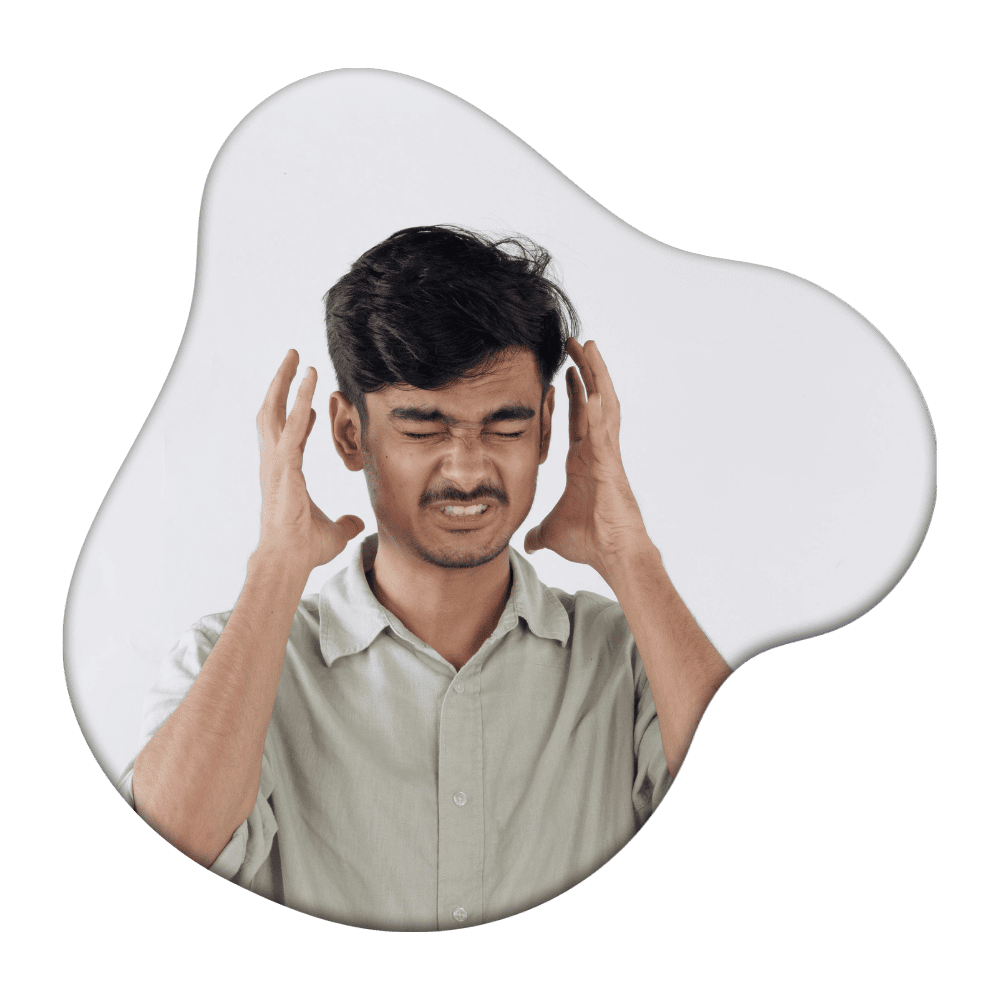
What Is Tinnitus?
Tinnitus is the perception of sound when there isn’t an external sound causing it.
People often describe tinnitus as “ringing in the ears,” but the experience isn’t necessarily the same for everyone. What matters is understanding what you’re experiencing, how it’s affecting you, and whether other hearing or ear symptoms are occurring along with it.
Tinnitus can range from something you occasionally notice in a quiet room to a persistent problem that significantly interferes with everyday life.
That wide range is one reason a focused evaluation can be important.
Tinnitus Can Feel Scary
When you hear something that no one else can hear, it’s easy to assume something is seriously wrong. And searching your symptoms online doesn’t always help.
Dr. Jimmy specifically sees this with tinnitus patients. A quick internet search can lead someone from “my ear is ringing” to worrying about rare and serious conditions.
For most people, that fear is disproportionate to what’s actually happening. Tinnitus is extremely common. But rather than trying to diagnose yourself through a search engine, a focused ear and hearing evaluation can help you understand your individual symptoms and determine whether anything requires additional attention.
Why Are My Ears Ringing?
Tinnitus isn’t necessarily a diagnosis by itself. It’s a symptom.
Understanding that distinction is important.
Rather than simply asking how to make the sound disappear, we want to understand what’s happening with your hearing and ears.
Your evaluation may include questions about:
- When the tinnitus started
- Whether it’s constant or intermittent
- Whether you notice it in one ear or both
- Whether you’ve noticed changes in your hearing
- Whether other ear symptoms are occurring
- Your previous ear and hearing history
- How much tinnitus is affecting your everyday life
Those details can help determine what evaluation should happen next.
Tinnitus and Hearing Loss
Hearing and tinnitus can be closely connected, which is why evaluating your hearing can be an important part of understanding tinnitus.
At Ohio Ear, hearing care and specialized medical ear care are available within the same practice.
A comprehensive hearing evaluation can help us understand how well you’re hearing and whether there are findings that warrant additional medical evaluation.
If hearing loss is identified, we’ll explain what the results mean and what options may be appropriate.
When Should Tinnitus Be Evaluated?
If tinnitus is new, persistent, changing, affecting your quality of life, or occurring alongside other hearing or ear symptoms, an evaluation can help you understand what’s happening.
You may want to schedule an appointment if:
The ringing or other sound isn’t going away
Your tinnitus has changed
You notice tinnitus primarily in one ear
You’re also experiencing hearing difficulty
You have other ongoing ear symptoms
Tinnitus is interfering with your everyday life
You’re worried about what might be causing it
You simply want an expert opinion instead of trying to figure it out yourself
What to Expect From a Tinnitus Evaluation
Step 1
Understanding Your Experience
We’ll discuss what you’re hearing, when you notice it, how long you’ve experienced it, and whether you’ve noticed other changes involving your ears or hearing.
Step 2
Hearing Evaluation
Depending on your individual symptoms, hearing evaluation may also be appropriate.
Step 3
Next Steps
If the evaluation identifies something that warrants additional medical attention, we can determine what should happen next. Sometimes one of the most valuable outcomes of an appointment is simply understanding what’s happening and having a clearer picture of what your symptoms mean.
Don’t Let an Internet Search Diagnose Your Tinnitus
Tinnitus is a perfect example of why online symptom searches can create unnecessary fear.
Many different conditions can include tinnitus as a symptom. That doesn’t mean you have the most serious condition that appears in your search results.
Dr. Jimmy specifically sees patients who have become concerned about serious problems, including brain tumors, after searching tinnitus symptoms online, even though those explanations may be extremely unlikely.
Google can give you a list. It can’t examine your ears, evaluate your hearing, or understand your individual medical history.
If you’re concerned about tinnitus, get an evaluation instead of letting the worst search result become your diagnosis.
Specialized Care Focused on the Ear
Ohio Ear isn’t a general ENT practice. Our focus is specifically on hearing, balance, and ear conditions.
That allows us to evaluate tinnitus within the larger context of your hearing and ear health.
Hearing
If your symptoms point toward a hearing issue, our audiology services can help evaluate it.
Balance
Specialized expertise for balance and vestibular conditions when needed.
Ear Conditions
If something requires additional medical attention, you have access to specialized ear expertise within the same practice.
Frequently Asked Questions About Tinnitus
Is tinnitus common?
Yes. Tinnitus is extremely common and can range from barely noticeable to significantly disruptive.
Does tinnitus mean something is seriously wrong?
Not necessarily. Many different conditions can be associated with tinnitus, and serious explanations are not automatically the most likely ones. An evaluation can help determine whether your symptoms require additional attention.
Can tinnitus happen with hearing loss?
Yes. Because tinnitus and hearing problems can occur together, evaluating your hearing may be an important part of your appointment.
Why does my tinnitus seem worse when everything is quiet?
People often become more aware of tinnitus when there are fewer external sounds competing for their attention. Your individual experience can be discussed during your evaluation.
Should I be worried if tinnitus is only in one ear?
Tinnitus that primarily affects one ear is something you should mention during your evaluation. Your symptoms and hearing can be assessed to determine whether additional evaluation is appropriate.
Will I need a hearing test?
It may be recommended depending on your symptoms and medical history. Hearing evaluation can provide important information when investigating tinnitus.
Can Ohio Ear make tinnitus completely disappear?
There isn’t one universal solution for every person experiencing tinnitus. The first step at Ohio Ear is understanding your symptoms, hearing, and ear health rather than promising a particular outcome.
Do I need a physician referral?
No. Ohio Ear does not require a physician referral to schedule an appointment, although your individual insurance plan may have its own requirements.
Stop Wondering What the Ringing Means
If you’ve been hearing ringing, buzzing, or another unexplained sound, you don’t have to keep searching online and wondering what it means.
Start with your ears.
Ohio Ear can evaluate your symptoms, look at your hearing and ear health, and help you understand what should happen next.
Sometimes getting an answer can make a big difference.